
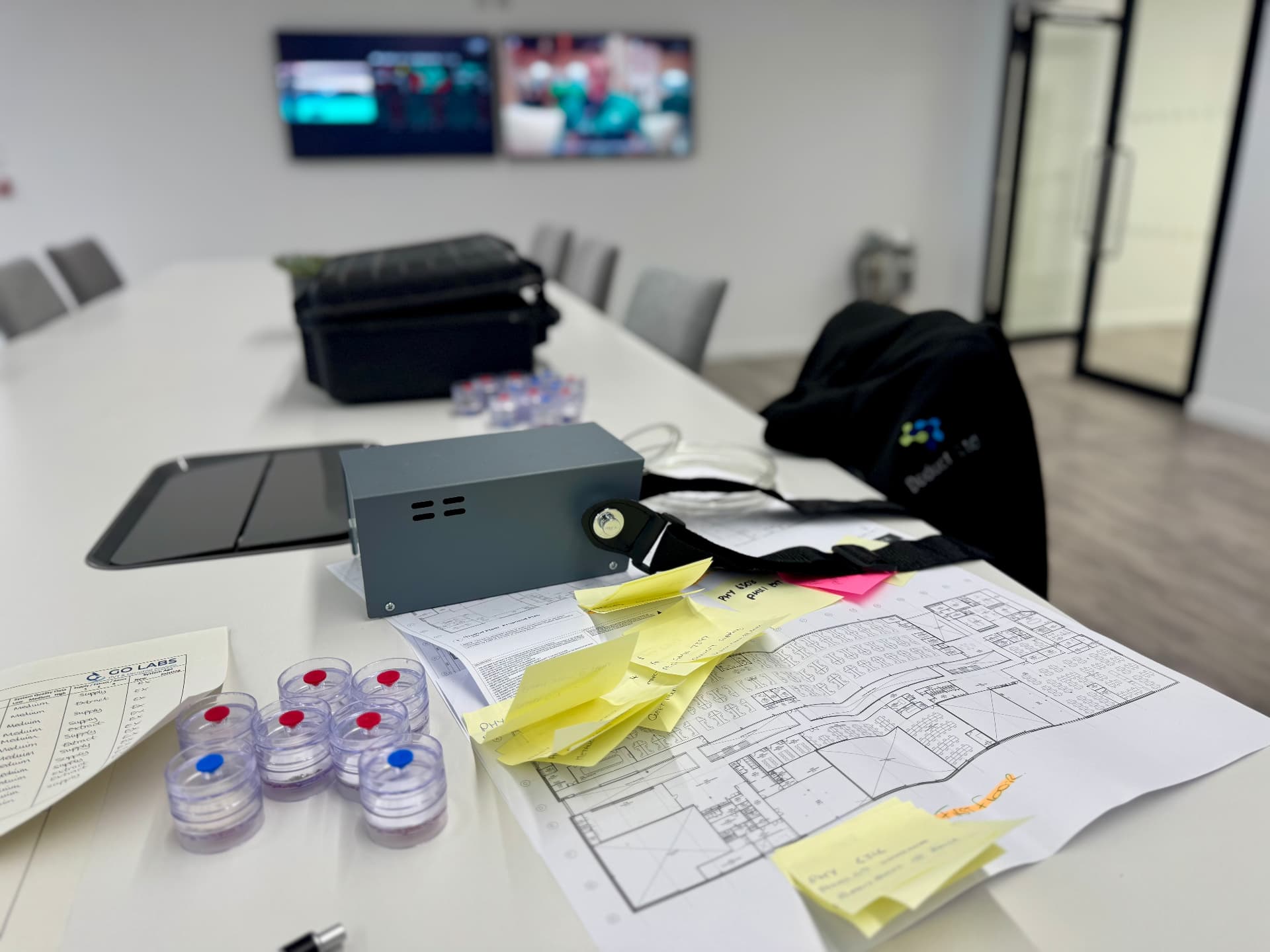
TR19 explained: what the guidance actually covers
TR19 is referenced constantly and understood inconsistently. Here is what it is, what it is not, and what it asks of you.
TR19 explained: what the guidance actually covers
What TR19 is
TR19 is industry guidance published by the Building Engineering Services Association covering the internal cleanliness of ventilation systems. TR19 Grease is the companion document dealing specifically with kitchen extract systems and grease-laden ductwork.
It is guidance, not legislation. Nobody is prosecuted for breaching TR19. What matters is that TR19 is the recognised industry benchmark, so it is the standard against which reasonable practice is judged — by insurers assessing a claim, by enforcing authorities after an incident, and by auditors reviewing your compliance file.
What it covers
- How ventilation system cleanliness is assessed, measured and verified
- Recommended access panel provision and spacing for inspection and cleaning
- Cleaning methods appropriate to different system types and contamination levels
- Post-clean verification, including measurement rather than visual judgement alone
- The content and structure of the report issued after works
- Grease deposit thickness measurement and risk-based cleaning frequency for kitchen extract
How it connects to your legal duties
The statutory duties sit elsewhere. The Workplace (Health, Safety and Welfare) Regulations 1992 require effective and suitable ventilation in workplaces. The Regulatory Reform (Fire Safety) Order 2005 places duties on the responsible person to assess and control fire risk, which is where grease-laden kitchen extract becomes a fire safety matter. The Control of Substances Hazardous to Health Regulations 2002 govern LEV systems used to control exposure.
TR19 is how you demonstrate that you have discharged those duties in a recognised, defensible way. That is why the report matters as much as the clean itself.
What good compliance looks like
A survey establishing baseline condition. A cleaning specification matched to the system type and measured contamination. Verification carried out and recorded after the work, not asserted. Photographic evidence tied to asset references. Any areas that could not be accessed clearly declared rather than quietly omitted. A recommended next inspection date based on measured loading rather than a default twelve months.
If your last report is a single page with a few photographs and no verification results, it will not satisfy an insurer at claim stage.
Common questions
- Is TR19 a legal requirement?
- No. TR19 is industry guidance. The underlying legal duties come from workplace health and safety, fire safety and COSHH legislation, and TR19 is the recognised means of demonstrating those duties have been met.
- How often does TR19 say systems should be cleaned?
- It does not set a fixed universal interval. Frequency is risk-based, driven by system type, usage and measured contamination — which is why a survey should precede any programme.
Continue reading
Services and guidance related to this article.
Request a free site survey
Tell us about your site and a Deduct engineer will arrange a no-obligation survey, scope of works and written quotation.