
19 Jan Tips for Scheduling Regular Kitchen Extraction Cleaning Without Disrupting Service
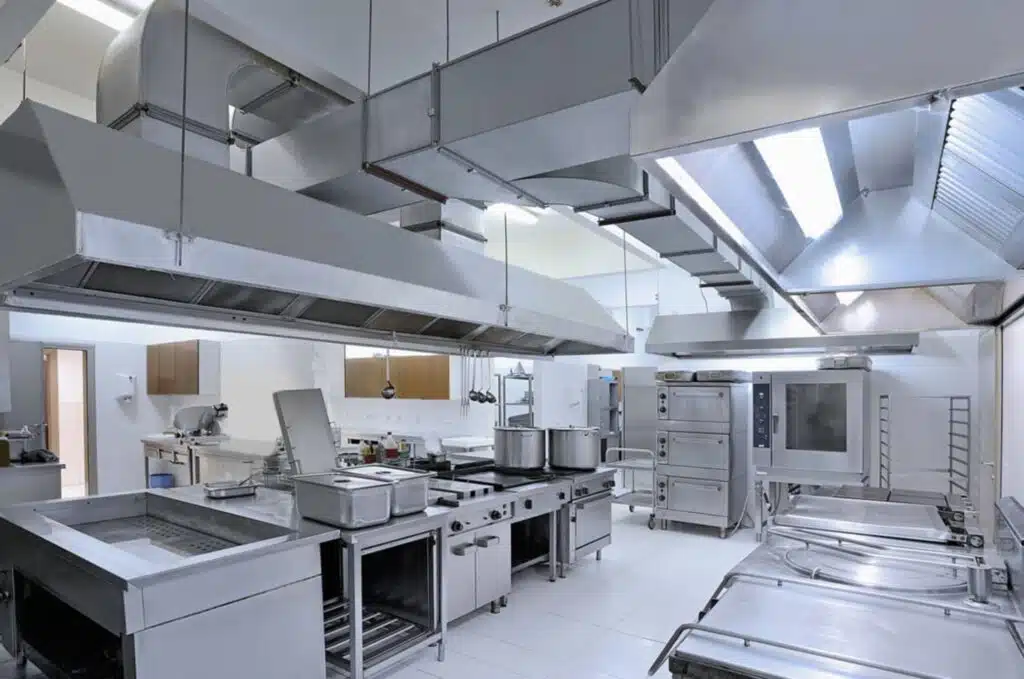
Regular kitchen extraction cleaning is vital for any commercial kitchen. Without it, grease builds up, airflow is affected, and equipment can fail, affecting hygiene, performance and staff comfort. The right kitchen extraction cleaning frequency keeps everything running smoothly, reduces fire risk, and helps your business comply with safety regulations.
Keeping on top of maintenance without impacting customer service levels, though, can be a challenge. Taking equipment out of action, even for a short period, can disrupt your business. With the right planning, you can keep your extraction system safe and spotless without interrupting service.
Understand Your Cleaning Needs
Before scheduling extraction system cleaning, you need a clear map of how your system is used. Every commercial kitchen is different, which is why understanding your system’s usage is needed to plan effectively.
Map out extraction system usage
First, identify your kitchen’s peak and quiet times. Depending on your business, early mornings, late nights or mid-afternoon lulls may be the perfect windows for regular kitchen extraction cleaning.
Bear the size of your system and the intensity of your cooking methods in mind. High-heat, high-grease cooking requires a higher kitchen extraction cleaning frequency than low-oil cooking methods. Chat to your chef or kitchen manager if you’re not sure.
Create a cleaning log
Here’s what you should keep track of:
- Date and time of each clean
- Name of the engineer/technician completing the work
- Condition of ductwork before and after cleaning
- Areas cleaned (canopy, plenum, ductwork, access panels, etc.)
- Fan unit inspection and cleaning (extraction fan, motor housing, belts, blades, etc.)
- Grease filter cleaning or replacement
- Recommendations for repair or further maintenance
- Before-and-after photos
- Hygiene certificate issued (if applicable)
- Next recommended cleaning date based on risk category and usage level.
Choose the Right Schedule for Your Kitchen
Once you understand your cleaning needs, you can create a maintenance schedule that matches your business type and operating hours.
Match cleaning frequency to business type
No two businesses function in the same way, so their cleaning schedules shouldn’t either. A quiet café serving just sandwiches and hot drinks will not require the same kitchen extraction cleaning frequency as a high-volume takeaway with fryers constantly running, for example. Extraction cleaning schedules should be tailored to cooking hours and menu style. Match your schedule to your output to help avoid unnecessary equipment failures and improve both safety and staff comfort.
Plan around your service hours
Schedule your regular kitchen extraction cleaning during natural downtime. This could be early mornings before prep begins, late nights after service has ended, or quiet midweek periods.
Smaller tasks like changing filters or wiping down accessible components of your system can be scheduled during prep or delivery downtime, keeping disruption to a minimum and ensuring your kitchen stays productive.
Work Smoothly With Commercial Kitchen Cleaning Teams
A great cleaning routine relies heavily on good communication and coordination – especially when external contractors are involved.
Communicate with contractors
Ensure that your contractor has all the information they require in advance, including opening hours, access points and any special requirements. Share relevant information, such as parking access and alarm codes, to make the cleaning process more efficient. By building an ongoing relationship with a reliable provider, they will get to know your system over time, allowing them to spot issues early and recommend the best schedule for your specific kitchen.
Prepare your staff
Assign a single team member as the main point of contact for contractors and to coordinate your cleaning schedule. Brief the whole team in advance, so they understand how their workflow could change during the cleaning process.
Keep the Process Stress-Free
By putting the right tools and processes in place, you can make regular kitchen extraction cleaning part of your routine without disrupting operations.
Combine cleaning with other maintenance tasks
To reduce downtime, consider combining your ventilation and extraction cleaning with other planned maintenance, such as equipment checks or deep cleans. Grouping tasks means you can minimise downtime.
Use simple reminders
Simple tools like digital calendars, wall planners or scheduled alerts mean the whole team is aware of planned extraction cleans. Small cleaning prompts can also be scheduled into regular kitchen routines – when minor tasks are carried out regularly, major cleans become much easier.
Keep Your Commercial Kitchen Running Smoothly
A well-planned kitchen extraction cleaning schedule means smoother service, a safer workplace and better equipment performance, without interrupting day-to-day operations. Review your current approach to identify where things can be improved – and for a stress-free way to remain clean, safe and compliant, consider professional help for hassle-free results. Contact Deduct Ltd to find out how we can be of service.