
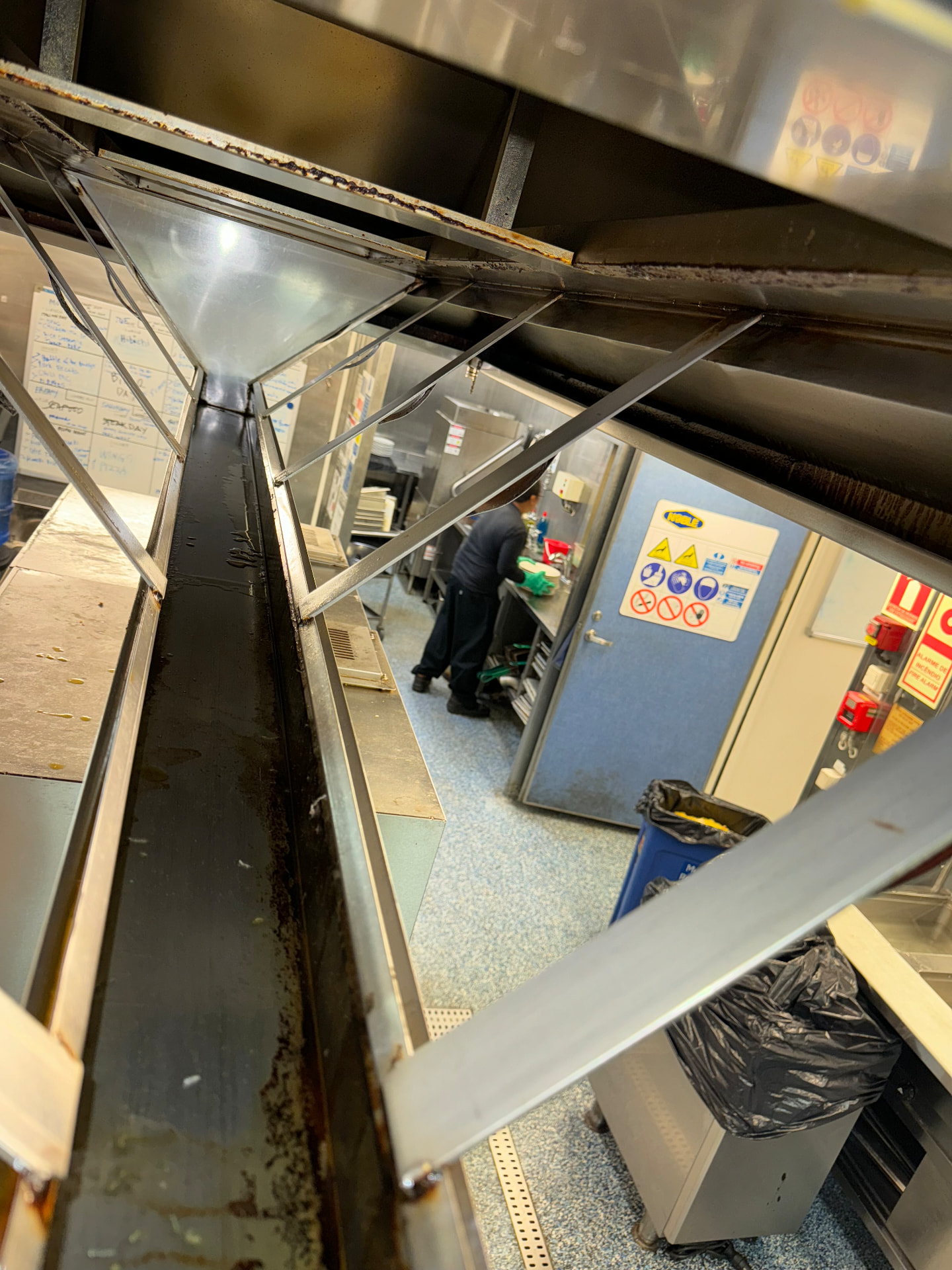
Commercial Kitchen Extract Cleaning
Grease accumulation in extract ductwork is one of the most common causes of commercial kitchen fires — and one of the first things an insurer asks about. Deduct removes it, measures it and evidences it.
- Deposit thickness readings before and after
- Canopy, plenum, duct, riser and fan
- Overnight and between-service working
- Reports accepted by insurers and landlords
- TR19
- Grease methodology
- 3–12
- Month cleaning cycles
- Overnight
- Minimal trading impact
- UK-wide
- Multi-site coverage
Grease removal that satisfies your insurer
A kitchen extract system collects grease every trading hour. Left in place it becomes a continuous fuel path from the canopy through the riser to the roof fan.
Deduct cleans the full accessible system and records deposit thickness at defined test points before and after works, so the result is measurable rather than a claim. Each access point is photographed and referenced against a system schematic.
Where the system cannot be fully accessed we say so, mark it on the schematic and price the access panels needed to resolve it. That honesty is exactly what an insurer or enforcing officer is looking for in the file.
We work overnight, between services and during closure periods across restaurants, hotels, hospitals, schools, staff canteens and stadia — nationwide, under one contract.
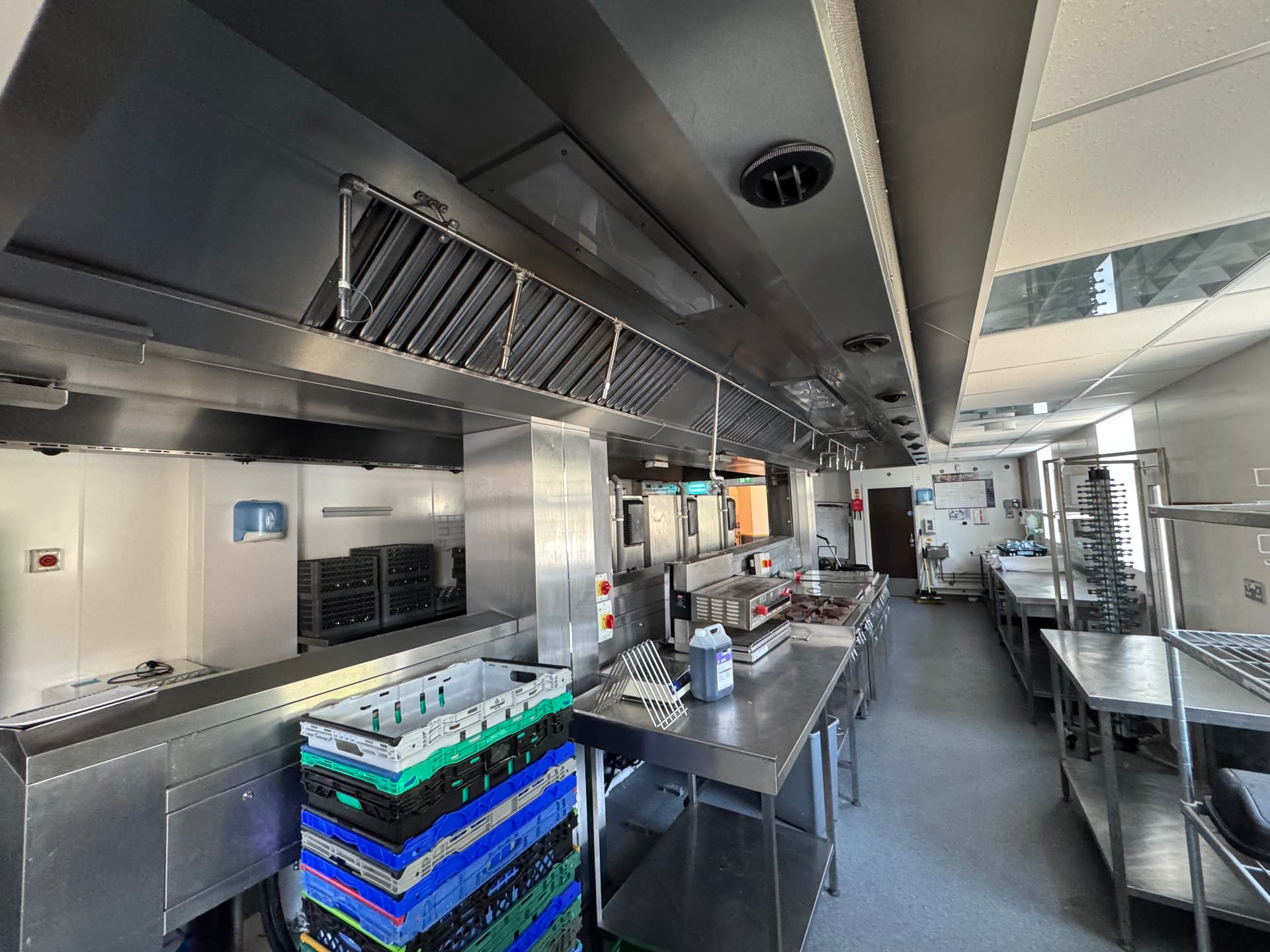
What the clean covers
The full grease-bearing path, not just the visible parts.
Canopies & filters
Canopy internals, baffle filters and capture jets degreased and refitted, with damaged filters reported for replacement.
Plenums & ductwork
Horizontal and vertical duct runs cleaned through existing access, with new panels fitted where spacing is inadequate.
Risers & vertical shafts
High-level and shaft cleaning using rope access techniques or MEWP where required.
Extract fans & housings
Fan impellers, housings and discharge sections degreased to restore extract performance.
Deposit measurement
Thickness readings taken and recorded at agreed test points before and after cleaning to evidence the result.
Access panel installation
Survey and installation of access panels to give a fully cleanable system for future cycles.
How a kitchen extract clean runs
Planned around your trading pattern, delivered without disruption to service.
- 01
Survey
System walked, access assessed and deposit levels sampled to establish scope and frequency.
- 02
Programme
Works scheduled overnight or between services, with method statements issued in advance.
- 03
Protection
Kitchen surfaces, equipment and floors fully protected before any cleaning begins.
- 04
Clean & verify
Full accessible system degreased, then re-measured and photographed at every test point.
- 05
Report
Certificate, schematic and photographic report issued, with the next clean date recommended.
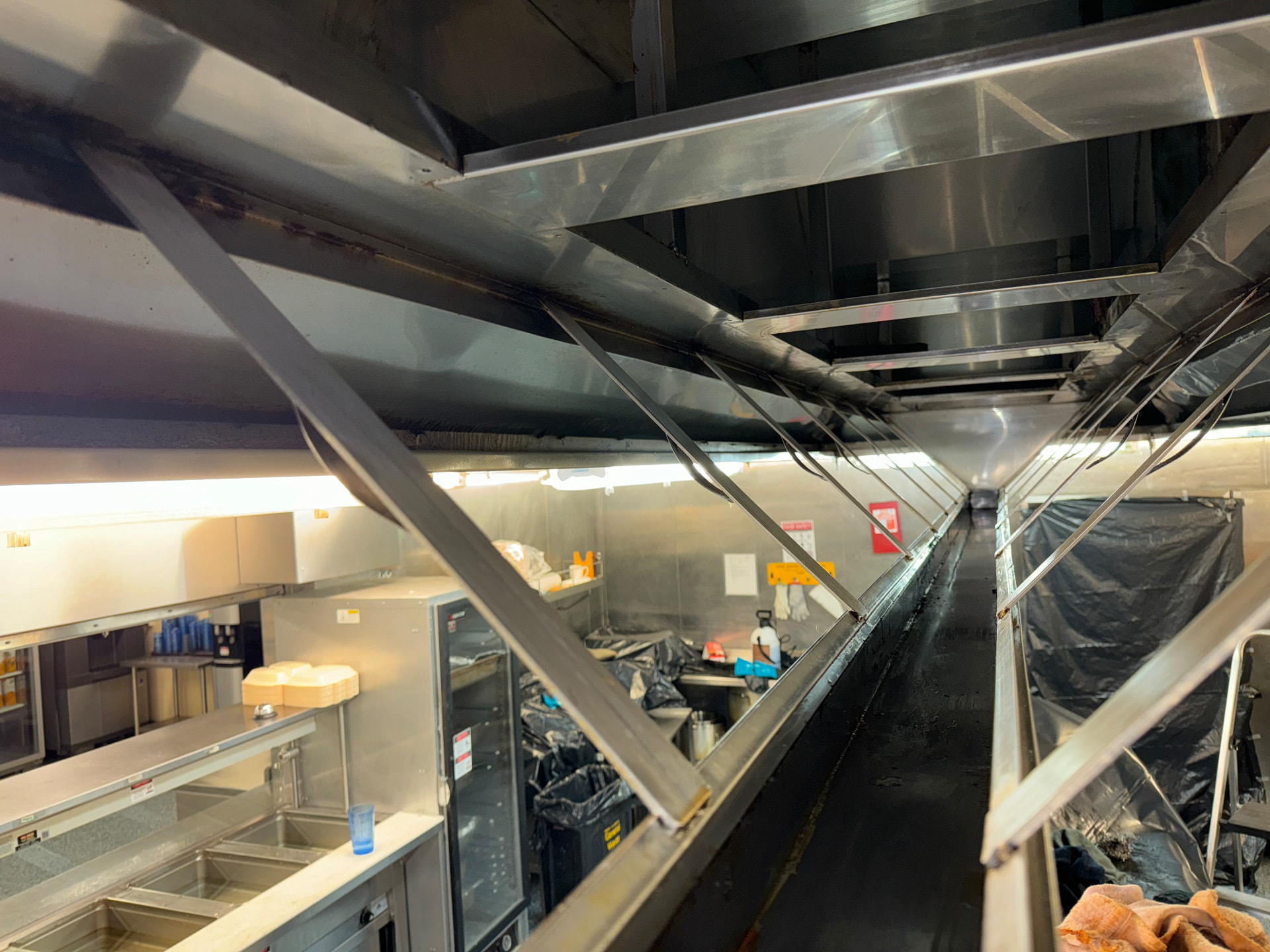
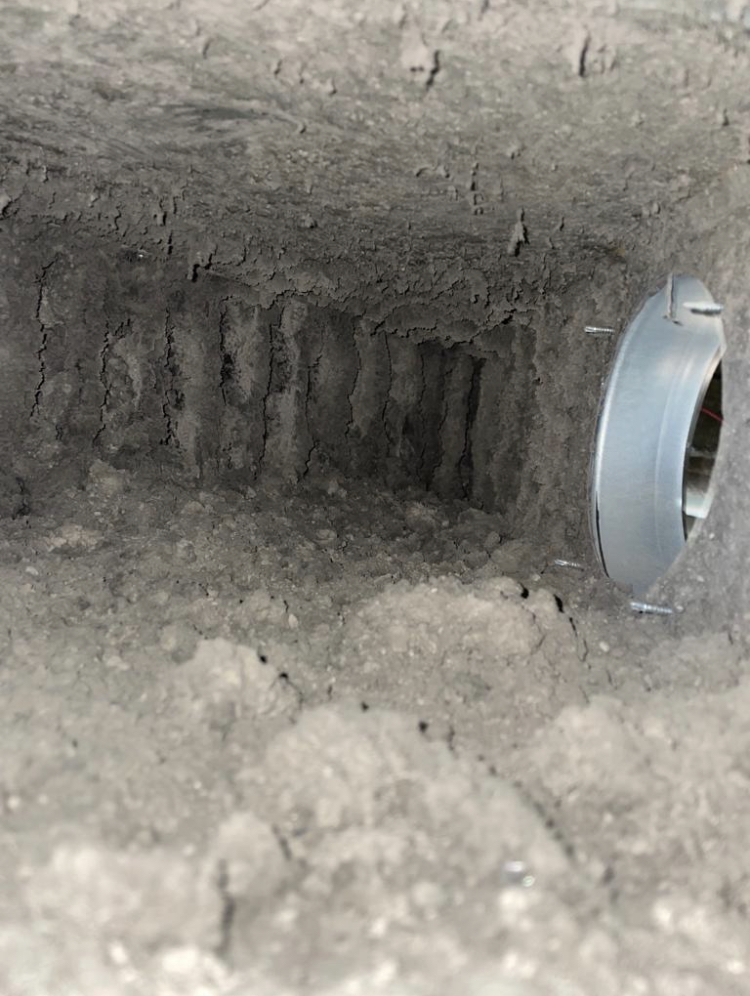
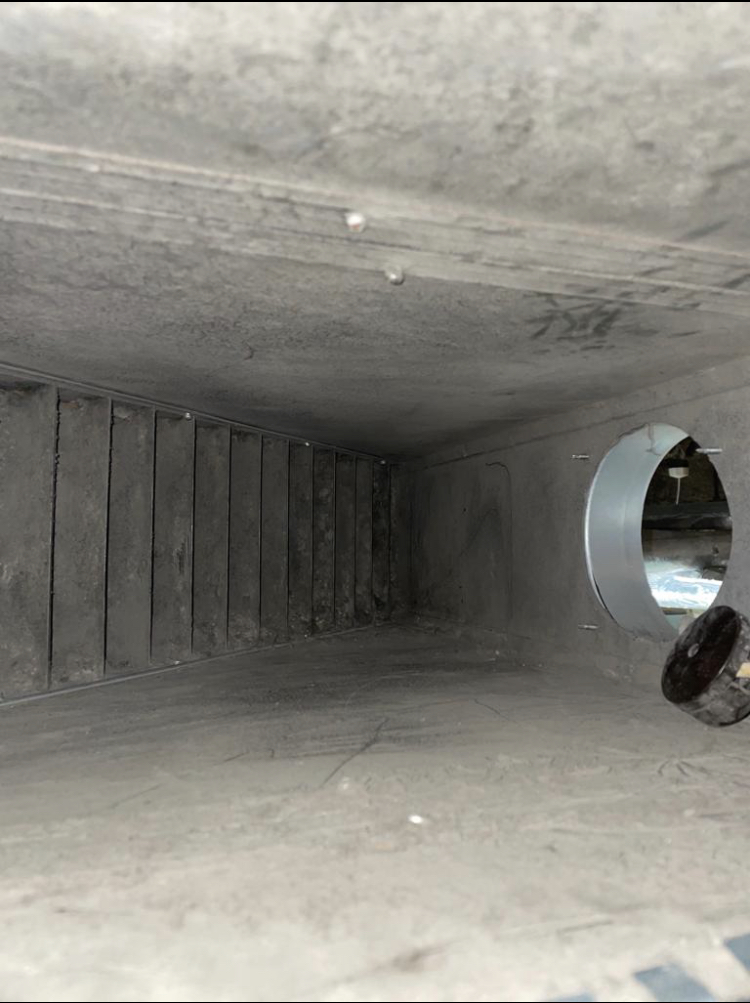
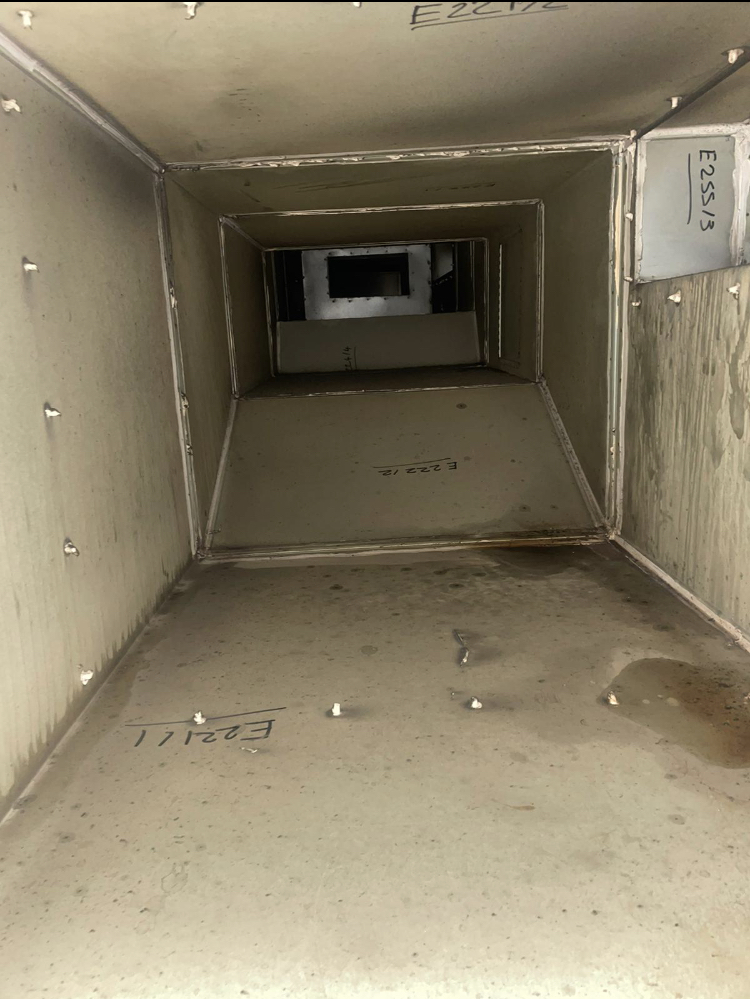
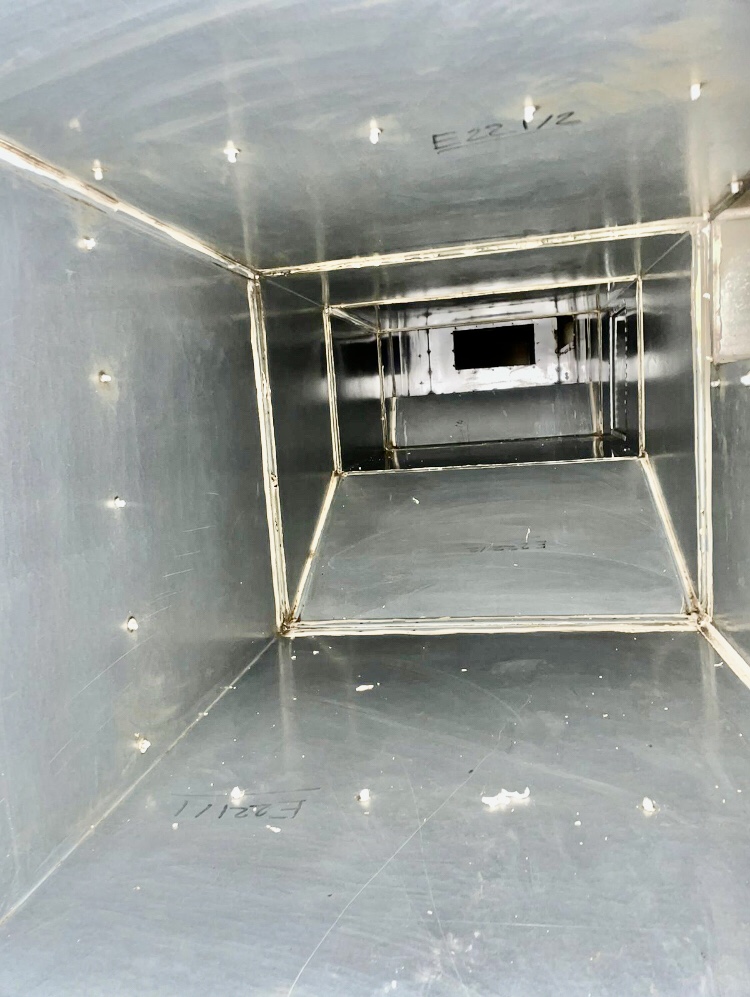
Pre & Post Clean Photos
Pre and post-clean photographic evidence recorded during completed Deduct Ltd ductwork and extract cleaning projects.
Evidence your insurer will accept first time
We are used to reports being read by underwriters, environmental health officers and landlords.
- Deposit readings recorded before and after, not estimated
- Photographic evidence at every access point
- Inaccessible areas declared and marked on the schematic
- Access panel installation to make systems fully cleanable
- Overnight and between-service delivery
- Directly employed, trained operatives
- Multi-site scheduling with cycle reminders
- Ductwork cleaning and extract system inspection in the same visit
Frequently asked questions
Common questions from operators, FM teams and insurers about grease cleaning.
- How often should a commercial kitchen extract system be cleaned?
- TR19 Grease sets frequency by usage: heavy-use kitchens running twelve hours or more a day are typically cleaned every three months, moderate use every six months and light use annually. Insurers frequently specify their own interval, and evidence of the last clean is usually required at renewal.
- Do you clean the full system or just the canopy?
- The full accessible system — canopy, filters, plenum, horizontal and vertical ductwork, risers and the extract fan. Cleaning only the canopy leaves the grease loading in the duct, which is where the fire risk sits.
- What evidence do insurers ask for?
- Typically a post-clean report showing deposit thickness readings before and after, photographs at each access point, a system schematic marking cleaned and inaccessible areas, the operative's competency and the date of the next recommended clean.
- Can you work overnight?
- Yes. Most kitchen extract cleaning is delivered overnight or between services so the kitchen is fully operational for the next trading period.
- What if parts of the duct cannot be reached?
- Inaccessible runs are recorded and marked on the schematic, and we quote for access panel installation so the whole system can be cleaned in the next cycle. We never certify an area we have not reached.
Continue reading
Other Deduct services and guidance relevant to this work.
Commercial Ductwork Cleaning
TR19-aligned cleaning, verification and reporting for supply and extract systems.
TR19 & Ventilation Hygiene
What the guidance asks for and how compliance is demonstrated.
Pre & Post Clean Reporting
How our compliance documentation is structured.
Recent Projects
Completed ventilation hygiene works across UK sectors.
Contact the Team
Book a free site survey or ask a compliance question.
Sectors We Work In
Healthcare, commercial, industrial, marine and public sector estates.
Book a kitchen extract survey
We will assess grease loading, access provision and the right cleaning cycle for your operation, then quote in writing.
Get a kitchen extract cleaning quote
Tell us the kitchen type, trading hours and the date of the last clean and we will come back with scope and price.
Prefer to talk it through? Call 0333 772 0089 or email hello@deductltd.co.uk.